 ANZBMS 2026
 When Bone Breaks Under Pressure: Severe Osteoporosis and Hypercalcaemia in Prolonged Critical Illness — A Therapeutic Dilemma (#224)
Background:
Severe metabolic bone disease is an under-recognised complication of prolonged critical illness. Accelerated bone loss arises from immobilisation, systemic inflammation, renal dysfunction, and medication exposure, leading to increased bone turnover and disrupted calcium homeostasis. These effects may be amplified in patients requiring extracorporeal membrane oxygenation (ECMO) and renal replacement therapy (RRT). Evidence to guide management remains limited. We present a case of critical illness-associated osteoporosis with recurrent hypercalcaemia in the context of prolonged ECMO support and solid organ transplantation.
Case Presentation:
A 48-year-old First Nations Australian woman, previously fit and well, presented in August 2024 with influenza complicated by multilobar pneumonia and methicillin-resistant Staphylococcus aureus (MRSA) superinfection. On day 2, she developed cardiorespiratory collapse requiring veno-venous ECMO, which continued for 411 days.
Her ICU course was complicated by acute kidney injury requiring haemofiltration, inferior vena cava thrombus requiring anticoagulation, recurrent infections including infective endocarditis, and haemophagocytic lymphohistiocytosis (HLH) treated with prolonged high-dose corticosteroids (methylprednisolone followed by dexamethasone 20 mg daily for several weeks). She developed critical illness myoneuropathy and required proton pump inhibitors for upper gastrointestinal bleeding.
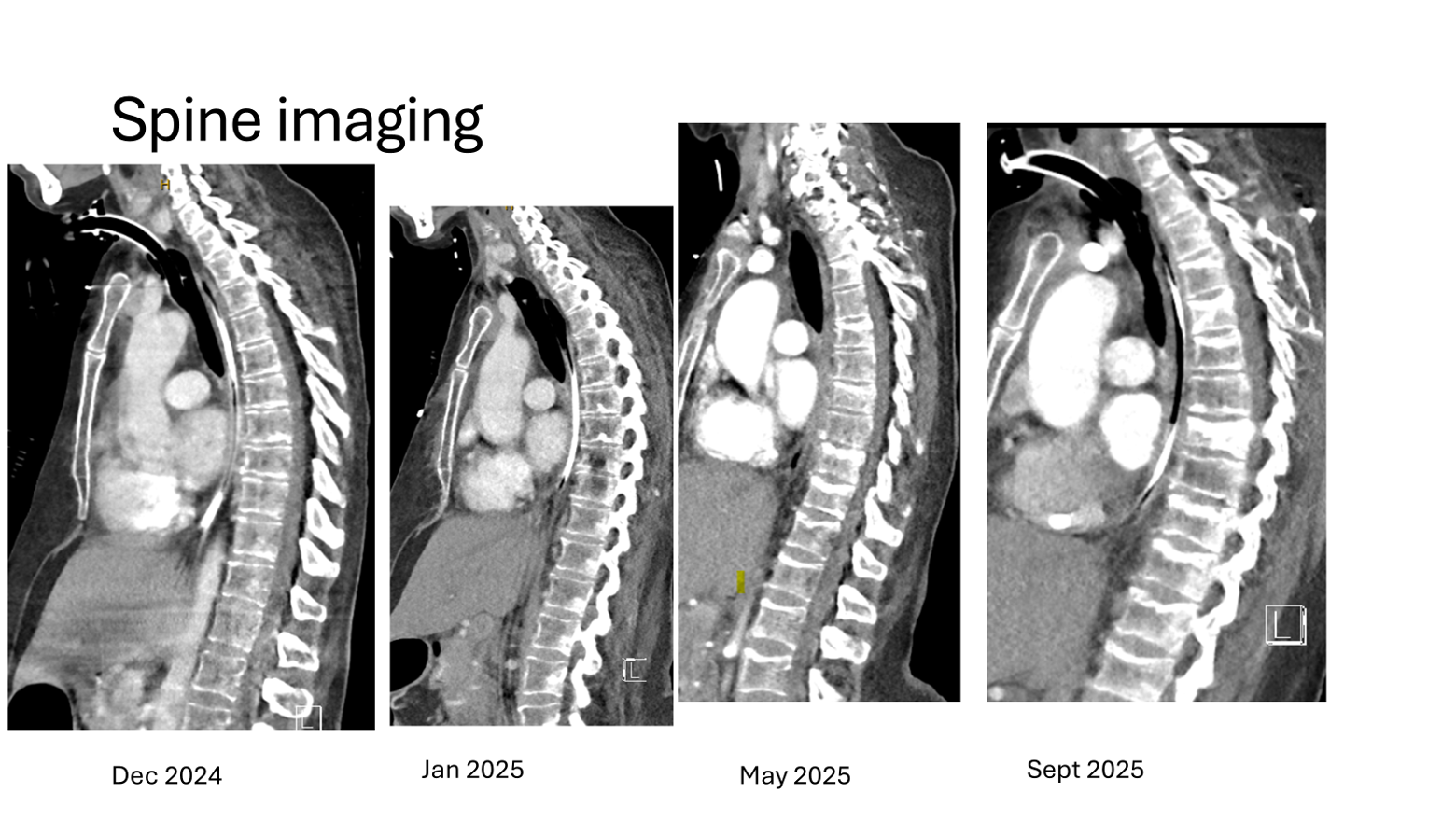
She had no prior calcium abnormalities but developed recurrent hypercalcaemia with intermittent hypocalcaemia during her ICU stay. In February 2025, she developed hypercalcaemia and a symptomatic T6 vertebral fracture, treated with intravenous zoledronic acid 4 mg with good response. In March 2025, hypercalcaemia recurred following cessation of dialysis; denosumab was considered but not administered as ionised calcium normalised with resumption of RRT for fluid management. Calcitonin was trialled for analgesia but was poorly tolerated. By July 2025, intermittent hypercalcaemia persisted between RRT sessions, with elevated bone turnover markers (CTX 2240 ng/L), prompting a further dose of zoledronic acid 5 mg.
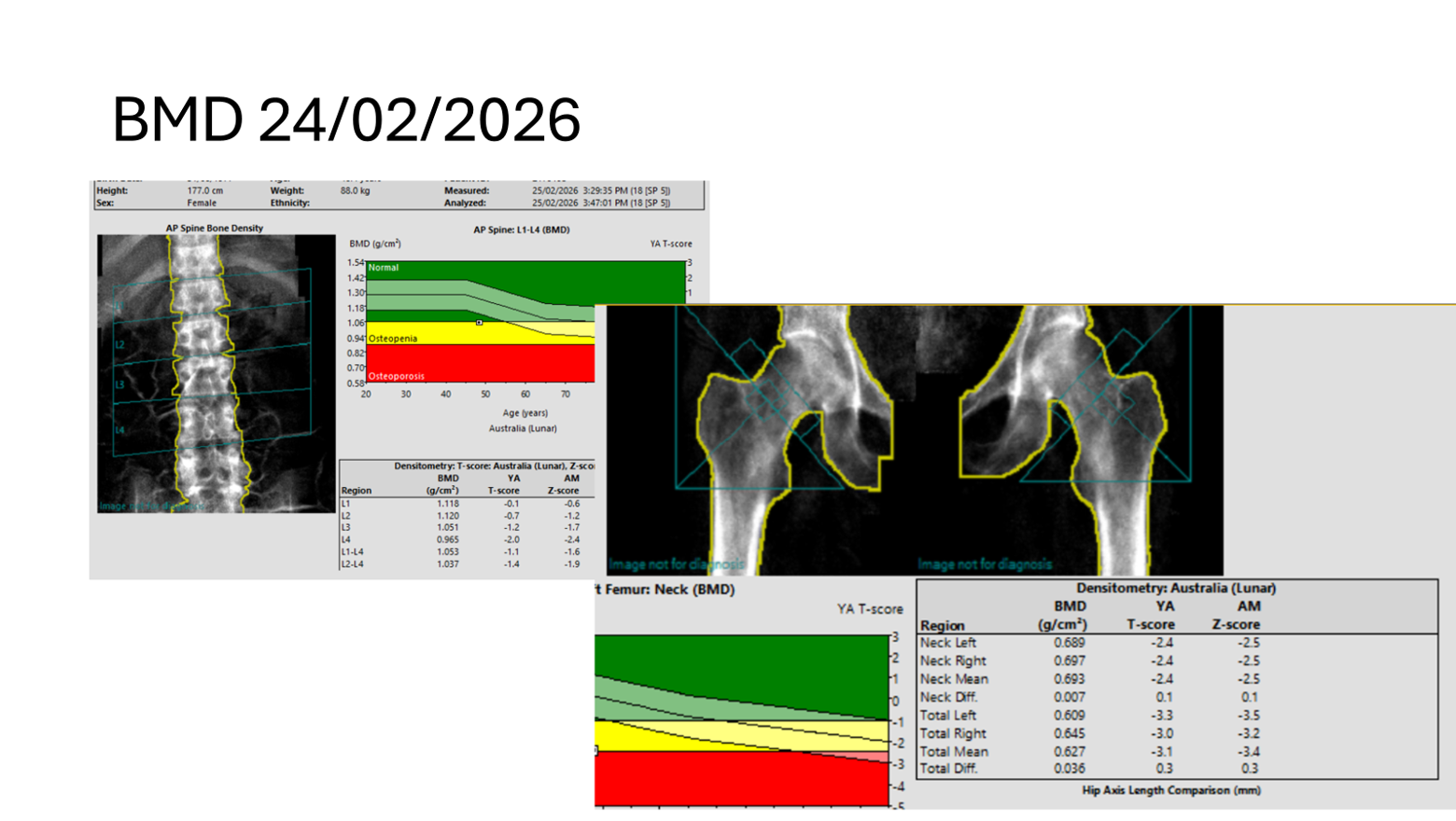
She underwent single lung and right kidney transplantation in October 2025. Post-transplant, she remained ventilator-dependent but mobilised short distances. She was maintained on oestradiol gel, progesterone, and prednisolone (15 mg daily with planned taper). Bone mineral density in February 2026 showed osteoporosis (lumbar spine T-score −1.4, total hip −3.0 to −3.3). Biochemistry showed calcium 2.48 mmol/L, ionised calcium 1.37 mmol/L, parathyroid hormone 8.5 pmol/L, and CTX 550 ng/L. No further fractures were reported.
Case Discussion:
Critical illness is associated with accelerated bone turnover, uncoupling of bone resorption and formation, and increased fracture risk (1). Contributors include immobilisation, inflammation, vitamin D deficiency, malnutrition, and medications such as corticosteroids and proton pump inhibitors (2).
Reduced mechanical loading in immobilisation promotes osteoclast-mediated bone resorption (3), while inflammatory cytokines including interleukin-1, interleukin-6, and tumour necrosis factor-α enhance osteoclastogenesis (4). Glucocorticoids compound this by suppressing osteoblast function (5). Renal dysfunction and intermittent RRT contribute to calcium instability (6).
Pharmacological management of ICU-related bone loss primarily targets bone resorption. Bisphosphonates remain first-line therapy, inhibiting osteoclast activity (7). Evidence suggests bisphosphonates in critically ill patients reduce BMD loss and may improve outcomes with adequate vitamin D (7). However, recurrent hypercalcaemia despite treatment suggests persistent high skeletal turnover and challenges standard dosing intervals in extreme catabolic states.
Denosumab, a monoclonal antibody targeting RANKL, provides potent antiresorptive effects independent of renal clearance and may benefit patients with renal impairment (7). However, use in critical illness remains underexplored (7). Concerns about rebound vertebral fractures after discontinuation highlight the need for cautious planning.
Anabolic therapies represent a potential alternative by stimulating bone formation. Teriparatide increases BMD and reduces fracture risk in severe osteoporosis (7), although data in critical illness are lacking and use is limited in hypercalcaemia. Romosozumab has shown anabolic effects in general populations, but safety in critical illness is unknown (7).
Overall, management of ICU-associated osteoporosis is extrapolated from non-ICU populations, underscoring a major evidence gap.
This case raises questions regarding optimal bisphosphonate dosing frequency in high-turnover states, role and timing of denosumab in fluctuating calcium and renal impairment, and the safety and efficacy of anabolic therapies post-critical illness and post-transplant.
Conclusion:
Critical illness can cause profound disturbances in bone metabolism, leading to severe osteoporosis, fractures, and calcium dysregulation. This case highlights challenges in treating high bone turnover and recurrent hypercalcaemia in ECMO, RRT, and transplantation. Individualised management is required, balancing efficacy and renal-related risks. Further research is needed to guide therapy in this high-risk population.